
Most people in the UAE train hard. Most of them recover badly. The gym is packed at 6am. The recovery conversation usually goes: stretch a bit, maybe a protein shake, see how we feel tomorrow. Cold plunge therapy addresses two of the three main recovery levers, inflammation and sleep quality, in a single daily session. Here is what actually happens when you get in.
What Is a Cold Plunge?
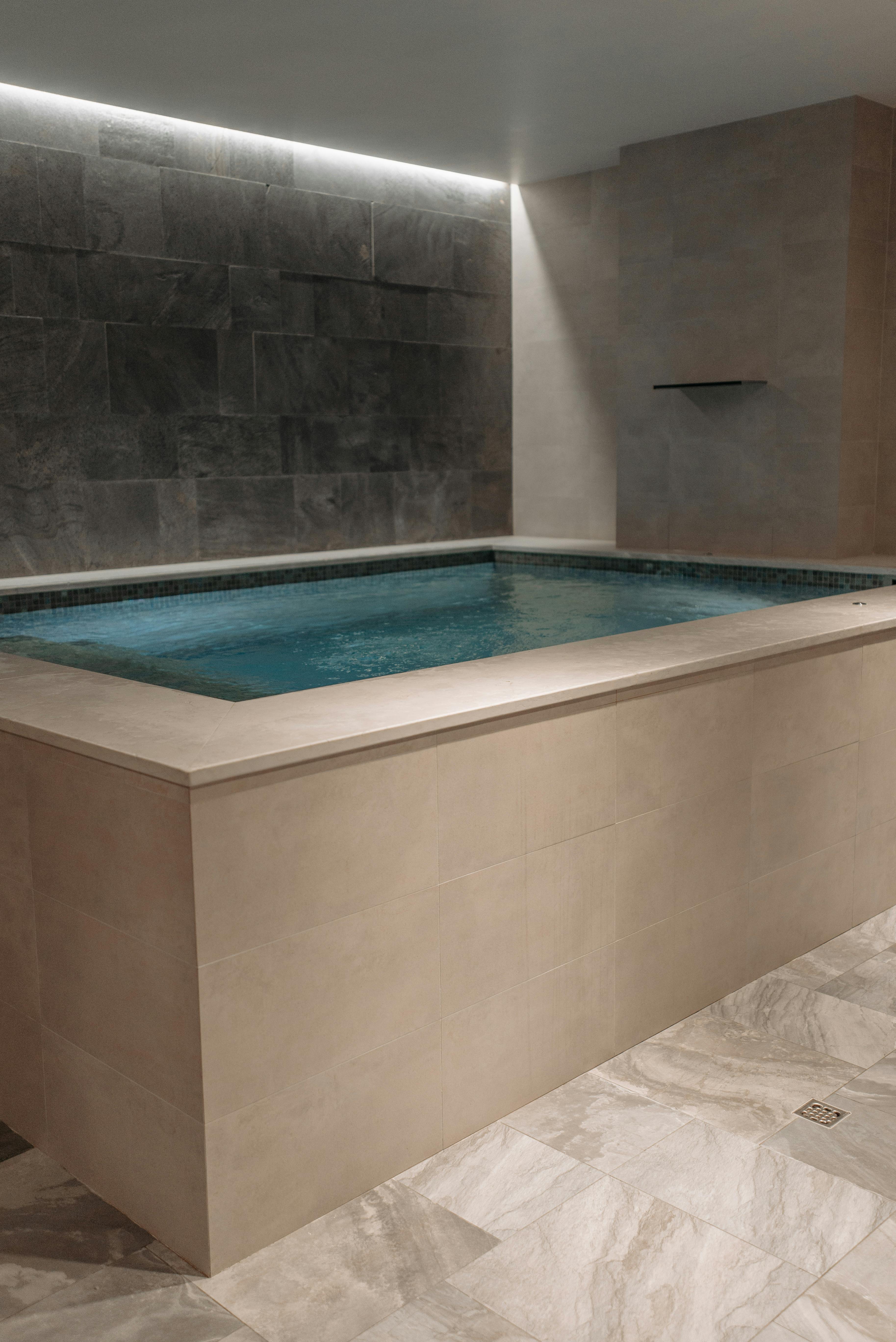
Full-body immersion in cold water, typically for 2 to 5 minutes. Not a cold shower. Not ice bags in a bathtub. A controlled, consistent stimulus at a temperature low enough to trigger a measurable physiological response. Our cold plunge bundles include chillers that cool to 3°C, so where you sit in that range is up to you and your protocol.
That temperature threshold matters. UAE tap water in summer sits at 30°C or above. A cold shower here is a warm shower. The vasoconstriction, norepinephrine spike, and recovery effects that research documents happen at specific temperatures. 25°C does not qualify.
Cold therapy in various forms has been used for centuries, from Nordic winter swimming to post-training ice protocols in elite sport. The modern cold plunge setup makes the practice daily, consistent, and temperature-controlled. Without the part where you drag a bag of ice across a petrol station forecourt at 5:45am.
What Cold Plunging Does to Your Body
When you enter cold water, your blood vessels constrict rapidly. Heart rate spikes. Your nervous system shifts into high alertness. When you exit, blood rushes back through your tissues, carrying fresh oxygen and clearing metabolic waste.
Repeated consistently, this creates measurable adaptations. Lower resting inflammation markers. Improved vagal tone. Greater stress resilience. The research on cold water immersion has been building for decades. The mechanism is not complicated.
The Cold Plunge Benefits, One by One
1. Faster Muscle Recovery
Cold water immersion reduces the inflammatory response that follows intense training. Microscopic muscle tears cause swelling and soreness. Cold exposure slows that process and clears waste products faster. Athletes using cold water immersion post-exercise report lower delayed onset muscle soreness at both 24 and 48 hours compared to passive rest. Your legs will still know you trained. They will just be less dramatic about it.
2. Less Inflammation
Chronic inflammation sits behind joint pain, persistent fatigue, and disrupted sleep. Regular cold plunging reduces pro-inflammatory cytokines including IL-6 and TNF-alpha. For anyone training hard in UAE heat, where sleep is already compromised by ambient temperatures, this is not a minor benefit.
3. Lower Anxiety and Sharper Focus
Cold water immersion at 14°C has been shown to increase norepinephrine levels by up to 300% above baseline. Norepinephrine is a neurotransmitter linked to focus, mood regulation, and anxiety reduction. The mental clarity most cold plunge users report after a session is a mechanism, not a placebo. It is also a more effective Monday morning than a second coffee.
4. Better Sleep
Core body temperature dropping after cold exposure supports faster sleep onset. Evening cold plunges in particular are associated with improved sleep latency and deeper slow-wave sleep cycles. For anyone whose sleep quality suffers in UAE summers, this alone is worth the protocol.
5. More Energy, No Crash
The adrenaline surge from cold immersion produces a sharp, clean energy lift. Most people step out feeling alert and focused. No subsequent crash. The stimulus is physiological, not chemical.
6. Immune System Support
Regular cold water exposure has been linked to increased white blood cell count and NK cell activity. Cold plunging is not a substitute for medical care. Consistent practice appears to contribute to a more resilient immune baseline over time.

Cold Shower vs Cold Plunge: Not the Same Thing
A cold shower in Dubai in August is a warm shower. Tap water in summer sits at 30°C or above. Even in winter, shower temperatures rarely reach the threshold for meaningful vasoconstriction. You are not getting the stimulus. You are getting wet.
A cold plunge tub with a chiller holds a precise, consistent temperature regardless of ambient conditions. That is what makes daily cold therapy practical here. An ice bath works too, but at AED 35 to 50 per session in ice bags plus 30 minutes of preparation, most people run out of enthusiasm around session four. They also tend to run out of ice.
How Often and How Long
3 to 5 sessions per week, for 2 to 5 minutes, is the range the research supports for performance recovery. Temperature is down to your protocol. Beginners typically start around 15°C and work down. Experienced cold plungers often run sessions at 8°C to 12°C. Chillers that reach 3°C are available for those who want to go further, though the research makes clear that suffering is not the metric. 3 minutes at 12°C four times a week is a better protocol than 10 minutes at 3°C once a fortnight.
One note for strength athletes: cold immersion within the first hour post-resistance training may blunt muscle protein synthesis. If building muscle is the primary goal, time your sessions to the evening or after cardio. Post-cardio and pre-sleep, the evidence is clearly positive.
Cold Plunging in the UAE
The UAE heat makes cold therapy both more necessary and more demanding on your equipment. Training loads here are high, sleep is disrupted by ambient temperatures and late schedules, and recovery is treated as optional by most people.
It is not optional. It is where adaptation happens.
The equipment challenge is real. A chiller rated for 25°C ambient will thermal-trip in a UAE summer, where temperatures average 42°C. Every cold plunge setup from Forge Recovery is rated for GCC conditions, cools to 3°C, and costs under AED 1 per session to run. If you have questions about which setup fits your space, get in touch.
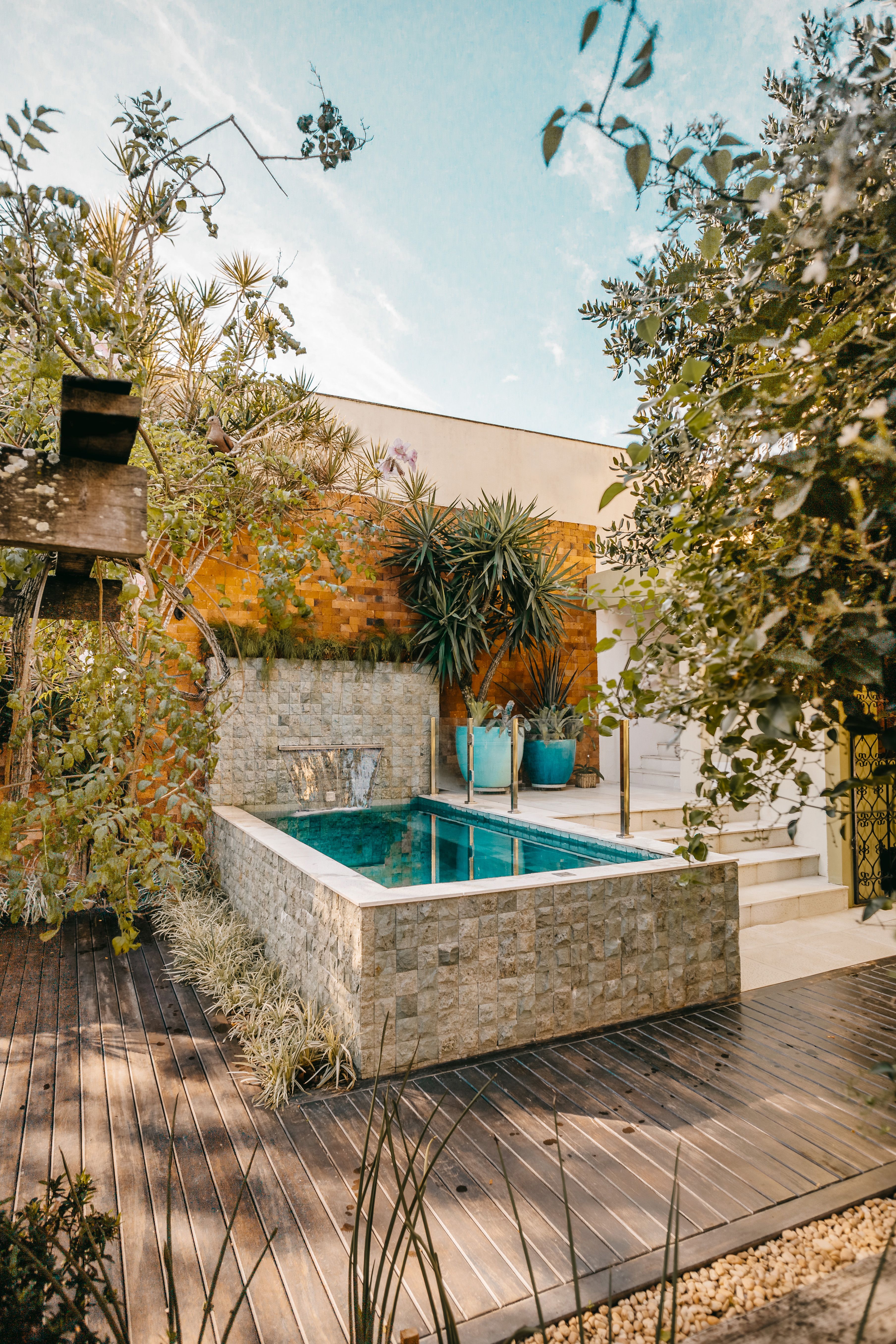
Every Forge Recovery bundle includes the chiller, tub, filtration, and setup support. Browse the cold plunge bundles and find the setup that fits your space and training goals.
Frequently Asked Questions
How long should you stay in a cold plunge?
2 to 5 minutes is the effective range for most people. Start at the lower end. The research supporting recovery benefits is built around sessions in this window. Longer is not better. Frequency matters more than duration.
How cold should a cold plunge be?
Beginners typically start around 15°C and work down from there. The research on norepinephrine elevation and DOMS reduction is conducted at temperatures between 10°C and 15°C. Forge Recovery chillers reach 3°C for those who want to go further.
Is it OK to cold plunge every day?
Yes for most people. 3 to 5 sessions per week appears to be the optimal range for recovery benefits. Daily use is fine as long as you monitor how your body responds. The exception: avoid cold immersion within an hour of heavy resistance training if building muscle is the primary goal.
When is the best time to cold plunge?
Post-cardio or in the evening for most people. Evening sessions support better sleep onset. Avoid cold plunging immediately after strength training if muscle building is a priority. Morning sessions work well for the mental clarity and energy boost.
Does cold plunging help with muscle recovery?
Yes. Athletes using cold water immersion post-exercise report lower delayed onset muscle soreness at 24 and 48 hours versus passive rest. The mechanism is reduced inflammatory response and faster clearance of metabolic waste products from muscle tissue.
Can cold plunging improve anxiety and mental health?
The research supports it. Cold water immersion at 14°C has been shown to increase norepinephrine by up to 300% above baseline. Norepinephrine is directly linked to focus, mood regulation, and anxiety reduction. Regular cold water exposure has also been associated with reduced symptoms of depression in observational studies.
What is the difference between an ice bath and a cold plunge tub?
An ice bath uses bags of ice in a bathtub or portable tub. Temperature is inconsistent and falls as the ice melts. A cold plunge tub uses a chiller to maintain a precise, stable temperature throughout the session. More consistent, more hygienic, and no ice required. In the UAE, a chiller rated for GCC ambient temperatures is essential.
Can you cold plunge in the UAE heat?
Yes, with the right equipment. A chiller rated for 25°C ambient will thermal-trip in UAE summers, where temperatures average 42°C and peak above 48°C inland. Forge Recovery chillers are GCC-rated, cool to 3°C, and are designed to hold temperature year-round.